Sleep Deprivation in New Moms: How to Survive and Thrive
sleep tips for new moms

sleep tips for new moms
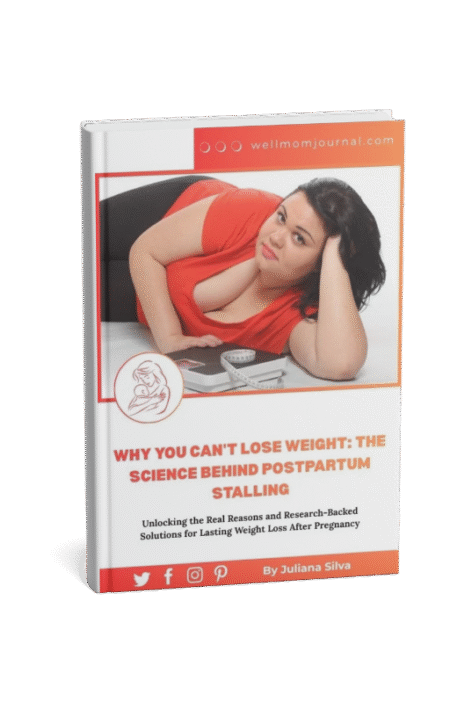
Welcoming a new life is a joyous occasion, but it can also bring significant changes to a woman’s body. Postpartum weight loss is a common concern for many new moms. Edit Full screen View original Delete How to Lose Weight After Pregnancy: The Science-Based Blueprint Shedding those extra pounds gained during pregnancy can be challenging, but with a science-based approach, it’s achievable. This guide will walk you through realistic steps to help you get back in shape. As a new mom, you’re not alone in this journey. Many women face similar challenges, and it’s essential to focus on healthy weight loss methods rather than fad diets. Key Takeaways Understanding Your Postpartum Body Understanding the changes your body goes through after having a baby is crucial for a healthy postpartum experience. The postpartum period is a time of significant physical adjustment, and being informed can help you navigate this journey more smoothly. Normal Physical Changes After Childbirth After giving birth, your body undergoes several changes. You may experience swelling and bruising, which are normal and typically subside within a few weeks. Your uterus will also start to shrink back to its pre-pregnancy size, a process that can take several weeks. Additionally, you may notice changes in your skin, hair, and overall body shape. Setting Realistic Expectations for Recovery It’s essential to set realistic expectations for your postpartum recovery. Every woman’s body is different, and the recovery process can vary significantly. Allow yourself time to heal and don’t compare your progress to others. Focus on your overall health and well-being, rather than rushing back to your pre-pregnancy state. The Science Behind Postpartum Weight Retention Postpartum weight retention is influenced by a combination of hormonal, metabolic, and lifestyle factors. Hormonal changes during pregnancy can affect your metabolism, making it easier to gain weight. Additionally, the demands of caring for a newborn can make it challenging to maintain a healthy diet and exercise routine. Understanding these factors can help you develop a more effective postpartum weight loss plan. When to Start Your Postpartum Weight Loss Journey New mothers often wonder when it’s safe to start losing weight after giving birth. The timing of postpartum weight loss is crucial and varies from one individual to another, depending on several factors including the type of delivery and whether the mother is breastfeeding. Medical Clearance: The 6-Week Checkup Generally, healthcare providers recommend waiting until the 6-week postpartum checkup before starting any weight loss program. This allows the body sufficient time to heal from childbirth. Medical clearance is essential before beginning any diet or exercise regimen to ensure that the mother’s body has recovered adequately. Edit Delete Special Considerations for C-Section Recovery For mothers who have had a C-section, the recovery period may be longer. It’s crucial to wait for the doctor’s approval before engaging in strenuous activities or dieting. C-section recovery requires patience, and rushing into weight loss efforts can complicate the healing process. Breastfeeding and Weight Loss Timing Breastfeeding can significantly impact postpartum weight loss. While it can help with weight reduction by burning extra calories, it’s essential to ensure that the mother’s diet is nutrient-rich to support both her health and milk production. The timing of weight loss while breastfeeding should be approached with caution, focusing on gradual weight loss to maintain milk supply and overall health. Nutrition Fundamentals for New Moms Nutrition plays a vital role in postpartum recovery and breastfeeding success. As a new mom, your body is working hard to heal and nourish your baby, making adequate nutrition crucial. Caloric Needs While Breastfeeding Breastfeeding increases your caloric needs. Generally, you require an additional 300-500 calories per day to support milk production and your energy levels. However, this can vary based on your pre-pregnancy weight, activity level, and the frequency of breastfeeding. It’s essential to focus on nutrient-dense foods rather than just increasing calorie intake. Foods rich in whole grains, lean proteins, and healthy fats are ideal. Essential Nutrients for Postpartum Recovery Certain nutrients are particularly important for postpartum recovery, including: Meal Planning When You Have No Time Meal planning can seem daunting with a new baby, but simple strategies can help. Consider: Quick and Nutritious Meal Ideas Some quick meal ideas include: Smart Snacking Strategies Snacking is an excellent way to keep your energy up. Opt for snacks that are high in protein and fiber, such as: By focusing on nutrient-dense foods and simple meal planning strategies, new moms can support their postpartum recovery and breastfeeding journey. How to Lose Weight After Pregnancy: The Science-Based Blueprint Effective postpartum weight loss is not just about cutting calories; it’s about adopting a comprehensive, science-based approach that prioritizes health and sustainability. New mothers need a strategy that not only helps them shed pregnancy pounds but also supports their overall well-being during the postpartum period. Gradual Caloric Deficit: The Safe Approach A gradual caloric deficit is a cornerstone of safe and effective weight loss after pregnancy. This approach involves reducing daily caloric intake by a moderate amount to promote weight loss without compromising milk supply for breastfeeding mothers or overall health. A deficit of 500 calories per day can lead to a weight loss of about 1 pound per week, which is considered safe and sustainable. […]